
The emergence of the experience economy begs the question: what comes next? If the economy’s evolution is driven by differentiation, then what happens when experiences become undifferentiated and no longer feel memorable (‘been there, done that’)?
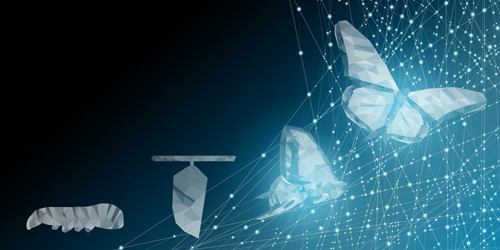
Get ready for the Transformation Economy where the focus is no longer on the experience of using the product (or service) but rather how people change while using the product. Whereas experiences are personalised, transformations involve people being guided through individualised experiences to bring about this change. People are willing to pay more for being transformed if it’s not just memorable (like experiences) but sustainable with long term effects.
| Commodities | Fungible | Natural | Traded |
| Goods | Tangible | Standardised | Manufactured |
| Services | Intangible | Customised | Delivered |
| Experiences | Memorable | Personalised | Staged |
| Transformations | Effectual | Individualised | Guided |
Designing transformational experiences
Transformational experiences differ from designing standard experiences due to their new structure:
- Phase 1 Diagnose aspirations. What does the person aspire?
- Phase 2 Stage experience(s). What experiences would allow these aspirations to be realised? No matter the transformation the ideal is a sweet spot where aspects of all four types of experiences are present since we are then most effectively engaged.
- Phase 3 Follow through. How can a transformation endure over time? Rather than a one off, a series of experiences may be necessary.
The role and responsibility of the guide
Transformational experiences represent a deeper sense of commitment to the wellbeing of each person. A guide is needed at each stage to care for each person while transforming. Guides need wisdom to recognise genuine and worthy aspirations. Guides also need to understand people’s physical and emotional fitness since some people may not yet be ready or capable of becoming what they aspire to be.
 Blow Minds